
Blog

  • U.S. Dog Import: CDC Form Instructions

    U.S. Dog Import: CDC Form Instructions

    Since August 1st, 2024, there are new steps required in order to bring dogs into the United States. The additional processes depend on where pet owners and their dogs have been for the past 6 months.

    The Centers for Disease Control and Prevention (CDC) is dedicated to preventing the transmission of dog rabies in the United States. As such, the CDC strongly advises all dog owners to ensure that their dog is vaccinated against rabies. 

    Experts from the CDC’s Poxvirus and Rabies Branch conduct yearly evaluations of countries around the world regarding their rabies statuses. These ongoing assessments are essential in supporting and informing CDC programs. In addition, it helps ensure that accurate and current information is available for the prevention and control of rabies on a global scale.

    Dog owners who have travelled to countries that are high-risk for dog rabies, as well as those who have not vaccinated their dog against rabies in the past 6 months are NOT permitted to enter the U.S. 

    The receipt from filling out the CDC Dog Import Form is valid for 6 months, unless the dog travels to a different country. The receipt allows for multiple entries into the United States, provided that the dog has not travelled to a high-risk country in the last 6 months. If the dog visits a different dog rabies-free or low-risk country than the one listed as the country of departure on the form, a new CDC Dog Import Form must be filled. This ensures that they meet the necessary health requirements for entry into the United States.

    Those who will import multiple dogs must complete a form for each one. The CDC Dog Import Form is free.

    The CDC Dog Import Form can be completed on the day of travel, however, we recommend to complete the form a few days prior to entering the U.S in case that there are any issues that may arise.


  • New Ways to Protect Pets from Fleas & Ticks

    New Ways to Protect Pets from Fleas & Ticks

    Protecting your pets from fleas and ticks has never been simpler and more efficient thanks to recent technological developments. By consulting with your trusted veterinarian, there are now more options to keep your pet safe and healthy. 

    New oral drugs that are based on isoxazoline can promptly and effectively eliminate fleas and ticks while offering protection for up to three months with a single dose.

    There are modern topical therapies now in stock to target various stages of the flea and tick cycle. With a combination of active components like imidacloprid and flumethrin, topical therapies can effectively eradicate some pests. These formulas are not only long-lasting and highly effective, but they are also resistant to water, whether your pet is bathing or swimming. For pet owners, the new topical therapies are convenient, odourless, and waterproof. 

    New vaccinations are in the development process to assist pets in fighting against diseases that are carried by ticks. There are also greener options for chemical treatments that are used as biological controls, such as nematodes and fungi that feed on flea larvae.

    Wearable technology and smart collars can track a pet’s exposure to ticks and fleas. Pet owners are promptly notified of any possible infestations. These collars offer personalized, preventive advice based on activity and environmental data. 

    The new developments in tick and flea prevention can provide more convenient, long-lasting, and effective solutions. Pet owners are better equipped to make decisions when there is a greater awareness and access to information. However, before trying any flea or tick solution, be sure to talk to your veterinarian about what options are the best for your pet.

  • Simple Tips to Feed Your Pet Healthy Food

    Simple Tips to Feed Your Pet Healthy Food

    Giving your pet the right amount of nutrition is equally as crucial as walks and veterinary visits. A balanced meal for pets includes all sorts of nutrients:

    • Proteins
    • Fats
    • Carbohydrates
    • Vitamins
    • Minerals

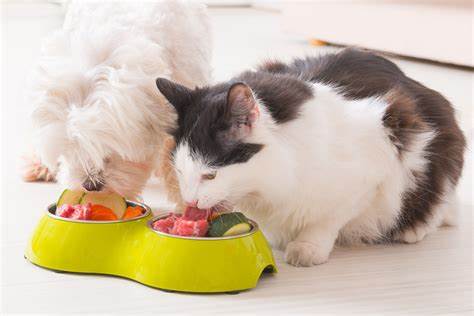
    Choose pet foods that are natural or organic and devoid of artificial flavours, colours, and preservatives. When choosing meals for your dogs, it is best to include premium meats, cereals, and vegetables. Cats on the other hand, require a minimal carbohydrate diet that also includes animal-based proteins and lipids. If you are a cat owner, in most cases, it is advisable to avoid soy and corn fillers as they have little to no nutritional value.

    When choosing the right meal for your pet, you must consider factors that differentiates them from others, such as breed, size, age, and the history of their health. For example, while older pets may need more fibre, puppies and kittens need more calories and protein. Veterinarian-recommended special meals are beneficial to sick pets.

    To increase nutrition, progressively add fresh foods like fish, lean meats, green beans, and carrots. Your pet must be hydrated adequately by keeping fresh water on hand at all times. Wet foods are beneficial, particularly for cats.

    By paying attention to your pet’s weight, monitoring their activity levels, and adhering to food rules, you can prevent obesity.

    By adhering to these tips, you can contribute to your pet’s health and happiness. Additionally, frequent veterinary examinations are necessary to track nutritional requirements and health, as well as to provide tailored advice.

  • The Importance of Pet Dental Health

    The Importance of Pet Dental Health

    Pet’s require routine dental treatment to preserve their health and well-being, just like people do. When your pet’s dental health is neglected, it can result in issues with their teeth, gums, and general well-being. Read the below tips to stay on top of your pet’s dental health. 

    Plaque, tartar, and periodontal disease can lead to gum inflammation, infections, and tooth decay. Furthermore, germs from mouth infections have the ability to travel to important organs, where they may cause life-threatening illnesses. As such, your pet’s teeth and gums must be checked on a regular basis to avoid further complications. These conditions can be avoided with proper dental care. It is crucial to schedule routine dental examinations and cleanings for your pet to ensure a good quality of life for your furry friend.

    Pain in the mouth can have a big impact on your pet’s comfort and behaviour. Chronic pain, trouble eating, and a decrease in activity can all be brought on by dental problems. Keeping your pet’s teeth healthy and clean enables them to play, eat, and connect with you in comfort. Regular dental care helps pets live healthier, longer lives.

    In consultation with your veterinarian, you can use pet-specific toothpaste and toothbrushes to regularly brush your pet’s teeth. To help lessen the accumulation of plaque and tartar, you can provide dental chews and toys. Oral health is also supported by a healthy, balanced diet.

    Making your pet’s dental care a priority is essential to their long-term health. Maintaining your pet’s health and well-being over time requires both basic dental hygiene and expert veterinarian care. Be sure to plan routine veterinary examinations and cleanings to maintain oral health and identify problems early.

  • Keeping Your Furry Friends Safe and Comfortable During the Cold Months

    Keeping Your Furry Friends Safe and Comfortable During the Cold Months

    Winter is here, and with it comes a host of challenges for our furry friends. As temperatures drop and snowfall increases, we have to take extra steps to ensure that our pets remain safe, healthy, and comfortable. This article has tips for keeping your furry friends happy during the winter months.

    First and foremost, your pets must be provided with adequate shelter. Cats and dogs are susceptible to frostbite and hypothermia, just like humans. As such, they must be brought inside if possible, or at least your pet should be in a place that is warm and dry, and protected from wind and snow. The shelter should be well-ventilated, as this will help prevent overheating and reduce the risk of respiratory issues. Consult your veterinarian if you are keeping your pet outside to ensure you have an adequate situation to keep them warm and safe. 

    Your pet’s tolerance to how cold the weather is can vary based on an array of factors. While there are pets that are perfectly fine with keeping themselves warm under cold temperatures, there are also breeds that are more vulnerable to the cold weather. If you own a pet that is in their senior years, or a short-haired breed, it is especially important that they are kept warm. You can do this, in consultation with your veterinarian, by layering them up in blankets and sweaters, or using a space heater to provide additional warmth in their sleeping area. In addition, consider factors such as their coat thickness, age, body fat, and health conditions to adjust your pet’s outdoor activities accordingly. 

    Winter can be an unsafe season when it comes to your pet’s paws. The cold, dry ground can crack and aggravate their paw pads, at the same time as ice, salt, and other chemicals used to melt snow and ice can be toxic when they are ingested or licked off from their fur. To keep your pet’s paws in healthy form, inspect them for signs of cold-weather injury.  Additionally, you can limit their time outdoors or consider letting them wear protective boots during their walk. After their walks, remember to clean your pet’s feet, legs, and belly to remove any dirt, grime, chemicals, or debris that could cause harm.

    During the winter months, pet owners tend to let their pet gain a bit more weight as extra protection against the cold, but this poses a health risk that far exceeds the potential benefit. Consider talking to your veterinarian to develop a diet plan that meets their nutritional requirements. Pets that are young, old or sickly typically need to have additional nutrition during winter. Outdoor pets also require more nutrients to generate body heat to keep themselves warm. 

    Dehydration is a common issue for pets during the duration of winter, as they may be less inclined to drink water when it is cold outside. Your pets must have access to fresh water at all times to keep them hydrated. You can encourage your pets to drink by providing them with some warm and wet food or a bowl of warm water.

    Hypothermia and frostbite are two serious conditions that affect animals during the winter months. These conditions occur when an animal’s body loses heat faster than it can produce it; this can be dangerous if animals are wet or exposed to cold temperatures for long periods of time. If your pet has a long, thick coat, like huskies and other dogs bred for cold weather, they are more tolerant with lower temperatures, but no pet should be left outside for long periods in below-freezing weather. To prevent hypothermia and frostbite, make sure your pet is dry and well-groomed at all times. Your pet should also be kept warm and comfortable when they are outside. Seek assistance from a veterinarian immediately if your pet shows signs of hypothermia or frostbite. 

    Be prepared for emergencies and do not hesitate to seek professional veterinary advice if you have any concerns about your pet’s health and wellbeing during the cold winter months.

  • Preparing Pets for the Changing Weather During Autumn

    Preparing Pets for the Changing Weather During Autumn

    As the leaves begin to change colours and the temperatures start to fall, it is time to start getting pets ready for the changing weather and activities of autumn. This season can be just as fun as any other, but it is essential to make sure your pet is ready for the cooler temperatures and shorter days.

    Autumn may be a time of pumpkins in our households, but it is important to remember that pumpkins can be harmful to pets as they can upset your pet’s stomach if consumed in large quantities. Pets can still enjoy pumpkins, but it is best to choose variants that are natural and unsweetened. 

    As temperatures drop during autumn, pets’ metabolism may slow down, so it is crucial to adjust their diet if needed. Feed them a high-quality diet suitable for their age and activity level. Additionally, consider adding extra calories or protein if they are losing weight. Consult with your veterinarian if you are uncertain about your pet’s current dietary needs.

    While we might look forward to events like Halloween and Thanksgiving, these are also periods when it is crucial to be careful about keeping treats that are harmful to animals out of their reach. Chocolates and candies pose a significant risk to their health, and even sugar-free candies that contain xylitol can be harmful to them. If you have kids, while it might seem adorable that they want to share their candies and chocolates to their pets, it is essential that they understand not to do so. If you discover your pet eating something dangerous, it is imperative to keep an eye on their well-being and reach out to your veterinarian to prevent further complications..

    As the days get shorter and evenings get colder, you will need to make sure that your pet stays cozy. There are plenty of ways to ensure your pet’s comfort during the colder weather:

    • Warm coat
    • Jacket
    • Extra blankets
    • Pet-safe heat pads
    • Extra hay for small animals to snuggle into
    • Hutch covers to keep the cold away
    • Space heater

    Be sure to consult your veterinarian if you have any questions about the safest ways to keep your particular pet warm in cooler weather. 

    Autumn is a great time for pets to enjoy the cooler temperatures and changing scenery. However, it is crucial to ensure your pet’s safety from potential hazards that can be concealed by fallen leaves. Horse chestnut trees for example can be found in various locations and if your pet has ingested them, it can cause intestinal blockages. Speak to a veterinarian if you are concerned that your pet may have ingested something and they are behaving unusually.  

    Hazardous materials such as sharp objects or toxic substances can be found under the leaves. so it is best to keep the yard clean and be alert during walks. In addition, be mindful of the changing weather conditions and adjust their activity level accordingly.

    Regular grooming is crucial for your pet’s overall health, especially during autumn when their coat may thicken. You can help your pet by keeping their skin healthy and free from dirt and debris, as well as brush their coat to prevent matting.

    Autumn’s seasonal occasions such as Halloween can be a lot of fun for pets, but they can also be overwhelming and stressful especially when there are trick-or-treaters constantly knocking on your door. To reduce their feelings of anxiety, you can provide them a safe space where they can retreat and find comfort. Curtains can also be shut in order to avoid seeing activities that will increase their stress levels. As the days shorten, your pet may start to feel restless and a bit down. To keep them entertained, consider providing toys or puzzles or spending extra time playing in the evenings with them. When your pet is going out for a walk, you can maintain good pet behaviour in crowded environments by keeping them on a leash.

    To prepare your pet for autumn’s changing weather and activities, follow these tips. Remember, just like humans, pets need to adapt to new environments and conditions, so it is important to be patient and provide them with the care and support they need. If you have any concerns or questions regarding your pet’s health and well-being, talk with a veterinarian so they can provide you with answers tailored to your pet’s needs.

  • Pet Care During the Hot Summer Months

    Pet Care During the Hot Summer Months

    As the temperatures rise, and the sun blazes down from the sky, it is important to remember that our furry friends also need protection from the heat. Summer can be a fun time for pets, but it can also be dangerous if they are not properly cared for. Read on for some essential tips to ensure your pet’s safety and comfort during the hot weather.

    • Excessive panting
    • Lethargy
    • Difficulty breathing
    • Dry or tacky gums
    • Lack of appetite
    • Vomiting
    • Diarrhea

    If you suspect your pet may be experiencing heat exhaustion or heat stroke based on these signs, it is imperative to seek medical attention immediately. Talk to, or visit, a trusted veterinarian for assistance. As a preemptive measure against further complications, pets can be moved to an area with adequate shade. Give your pet water to drink and place a damp towel under them to help with cooling down. Placing your pet in cold water is not advisable as that can put them into shock nor is pouring water near their head, as there is a risk of your pet inhaling water.

    Dehydration is a common problem in pets during the summer months, so make sure that freshwater is accessible to your beloved pets at all times. If your pets are especially active or spending lots of time outdoors, you may need to refill their water dish more frequently. 

    Be cautious, however, as too much water can also pose a risk. When pets consume large amounts of water quickly, it can lead to electrolyte imbalance, particularly reducing the levels of sodium and potassium. If your pet is not urinating or throwing up any of the excess water that has been consumed, the electrolyte imbalance can affect their brain function. Such a risk is more common in dogs that love to play in the water, where they can ingest too much water when swimming and playing around. 

    Pets can get overheated quickly, so it is important to provide them with ways to cool down. This could include a shady spot in the yard, a cool patch of grass, or a doghouse equipped with a fan. You could also consider investing in a cooling vest or pad for your pet. Consult your veterinarian for the best and safest ways to keep your particular pet cool. 

    While it is important for pets to get exercise and mental stimulation, it is best to limit their outdoor activities during the hottest part of the day. With high temperatures, it can be dangerous for your pet’s paw pads and overall well-being as it can lead to pain and discomfort. Instead, take them for a walk early in the morning or late in the evening when the temperatures are cooler. During the warmer days, you can place the back of your hand on the pavement for a few seconds to check if it is safe for your pets to walk on. 

    Sunburn can be painful for pets. Pets with short or light hair coats are more prone to sunburns, so make sure they are protected from the sun. One option, if advised by your veterinarian, is  a pet-safe sunscreen, which can be applied every 3-4 hours to areas that are least covered with fur like ears, nose, and bellies.  Another alternative to protect your pet’s skin is by keeping them in the shade when possible and inside during the time of day when UV rays are at their highest.

    Regular grooming is important for your pet’s overall health, but it is especially important during the summer months as it can help them stay cool. Brushing their coat will help remove loose hair and prevent matting, while also keeping their skin healthy and free of dirt and debris.

    By following these simple tips, you can help keep your pet safe and healthy during the hot summer months. Pets need protection from the sun and heat just like humans do, so we have to be vigilant and provide them with the care they need. Seek a veterinary professional if you have questions and concerns about how to keep your pet safe in hot weather or your pet’s general health and well-being.