New Extended Hours

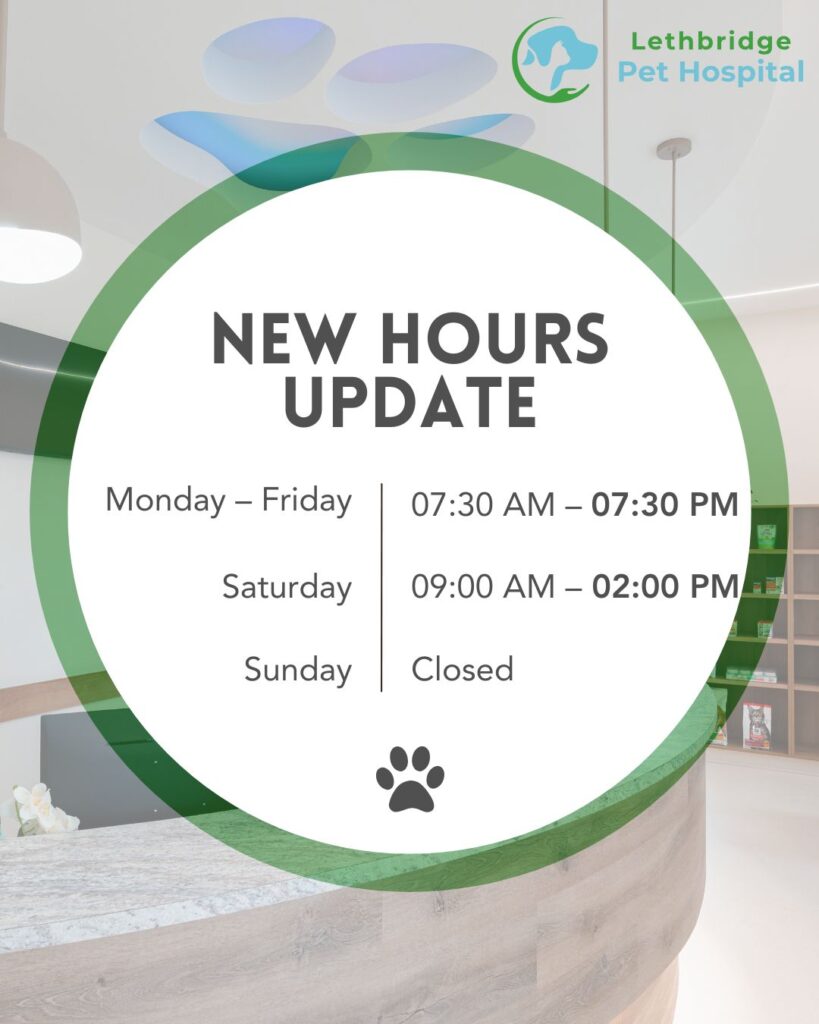
We Are Open Sundays!
New Extended Hours
To better serve you and your pets, we are now open Sundays.
Allergy Awareness Month
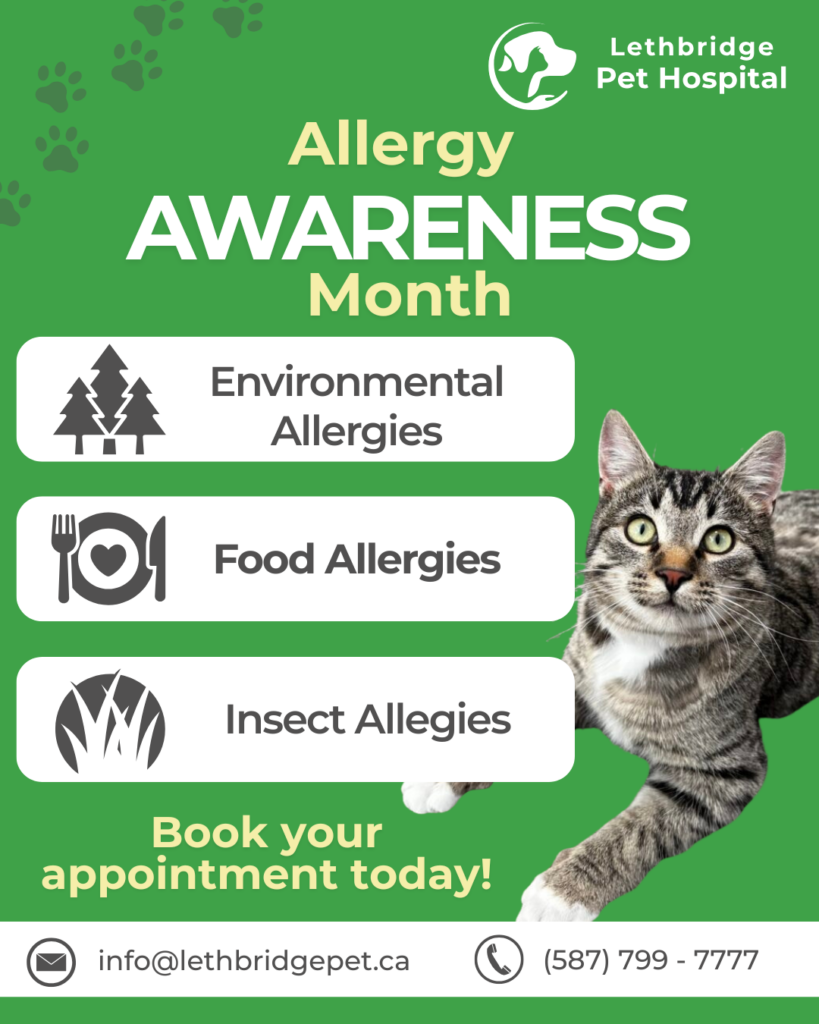
20% Off on Allergy Related Health Exams!
There are many preventative measures and treatments that can be used for pets with allergies. Allergies in pets include skin allergies, food allergies, and respiratory allergies (asthma). Therefore, for the month of May we offer a 20% discount on all allergy related health examination cases.
Environmental Allergies (Atopic Dermatitis)
This is the most common form of allergy in pets, often caused by sensitivity to airborne substances that occur seasonally including:
- Tree Pollen (Spring): Oak, maple, birch, and cedar.
- Grass Pollen (Late Spring/Summer): Bermuda grass, timothy grass, and Kentucky bluegrass.
- Weed Pollen (Late Summer/Fall): Ragweed is the most notorious, along with goldenrod, plantain, and lamb’s quarters.
- Mold Spores and Fungi (Year-round): Thrives in damp conditions, making spring and fall high-risk times for mold allergies.
- House Dust Mites (Year-round): A common cause of indoor allergies.
Food Allergies
Food allergies can cause year-round itching, chronic ear infections, and gastrointestinal issues like vomiting or diarrhea. Pets can develop allergies to ingredients they have eaten for years.
- Common Allergenic Proteins: Beef, chicken, lamb, and fish.
- Other Food Allergens: Dairy products, wheat, gluten, soy, and preservatives.
Contact and Insect Allergies
- Contact Allergies: Direct contact with surfaces or plants, such as grass, weeds, plastics, or carpet fibers.
- Insect/Parasite Allergies: While fleas are less common in Alberta due to the harsh winters compared to other provinces, allergies to mosquito bites or rare flea infestations can cause intense itching (flea allergic dermatitis).
Common Symptoms in Southern Alberta Pets
- Itching/Scratching: Intense itching, particularly around the face, neck, limbs, armpits, belly, and tail base.
- Paw Licking: Redness, brown discoloration, or odor from the feet.
- Ear Infections: Recurring yeast or bacterial ear infections.
- Skin Changes: Hotspots, hair loss, scabs, hives, or greasy skin.
- Respiratory Issues: Asthma-like wheezing or sneezing, especially in cats.
Managing Pet Allergies in Alberta
There are many veterinary medications approved for use in pets with allergies, but it is important to determine what kind of allergies the pet has, and which medications are safe to use. Allergies can be multifactorial meaning there can be both environmental, food, immune function, age, behavior and other factors to consider when pets show symptoms of allergies.
- Regular Grooming: Bath to remove pollen and allergens from the fur can be helpful.
- Food Trials: Using prescription or hypoallergenic, single-protein diets for 10-12 weeks to diagnose food triggers is an important part of diagnosing and treating food allergies.
- Environmental Control: Vacuuming frequently and washing bedding to reduce dust mites can be also helpful.
- Veterinary Care: Medicated shampoos, antihistamines, or special allergy medication are available through veterinary practices.
Tail Talk: This Month’s Top Moments
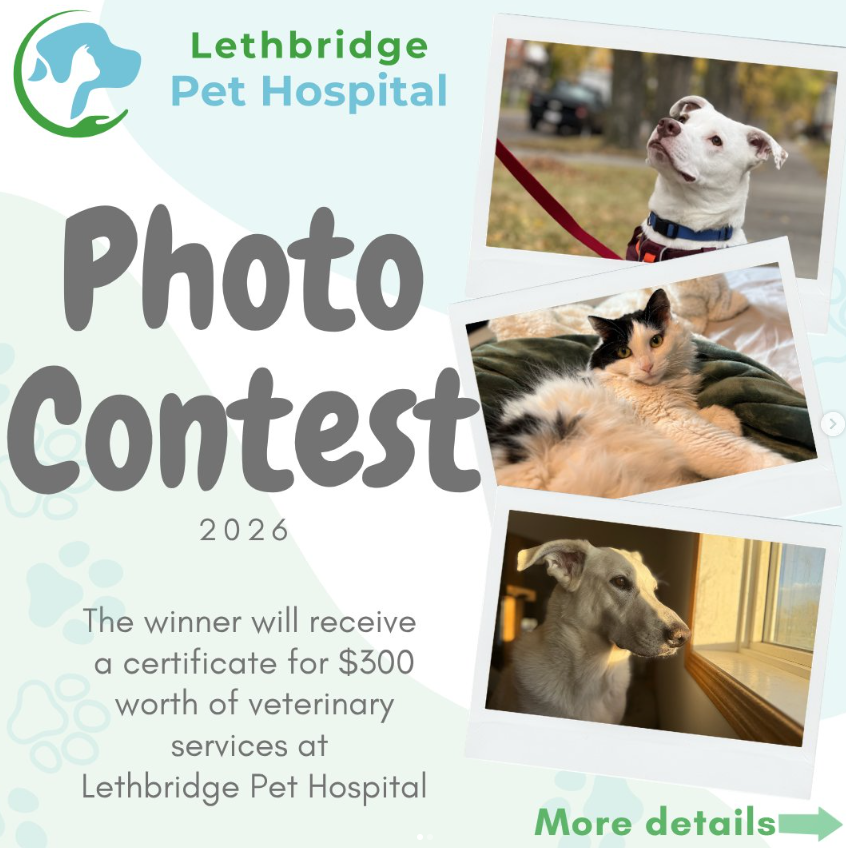
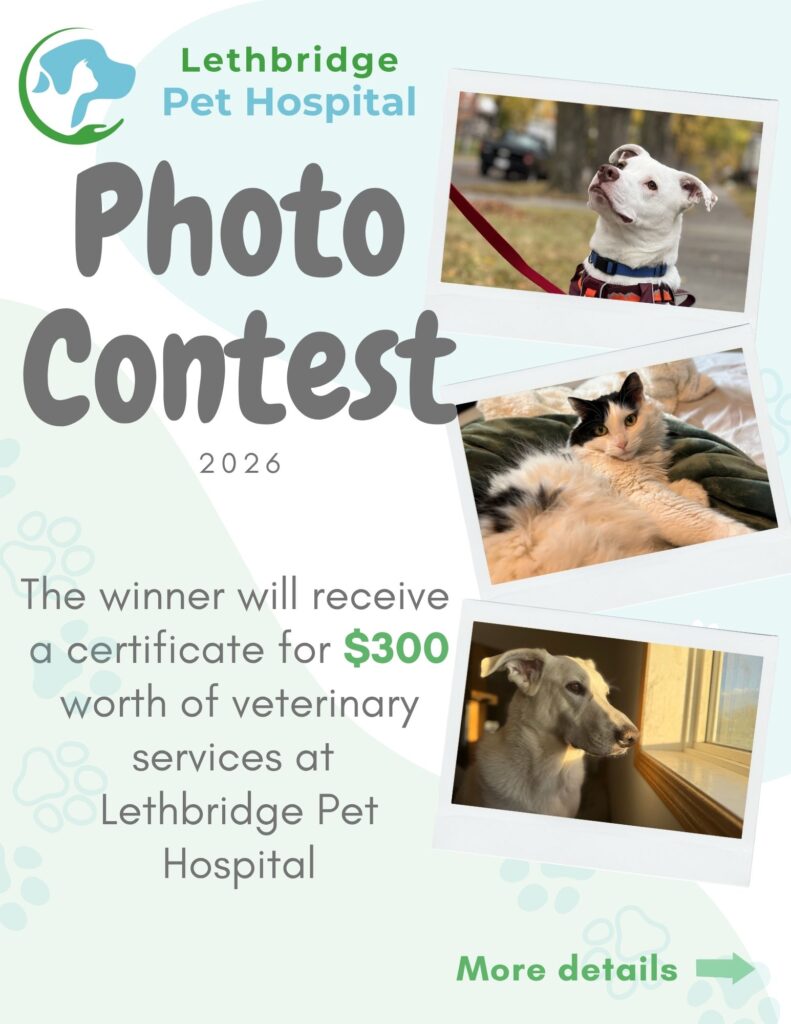
Did you know we’re hosting a Pet Photo Contest?
Don’t miss your chance to show off your adorable pet—we’ve already received so many amazing entries!
Grand Prize: A $300 certificate toward veterinary services at Lethbridge Pet Hospital.
The contest runs until April 30, 2026, so there’s still time to enter.
 Submit your photo HERE! for your chance to win!
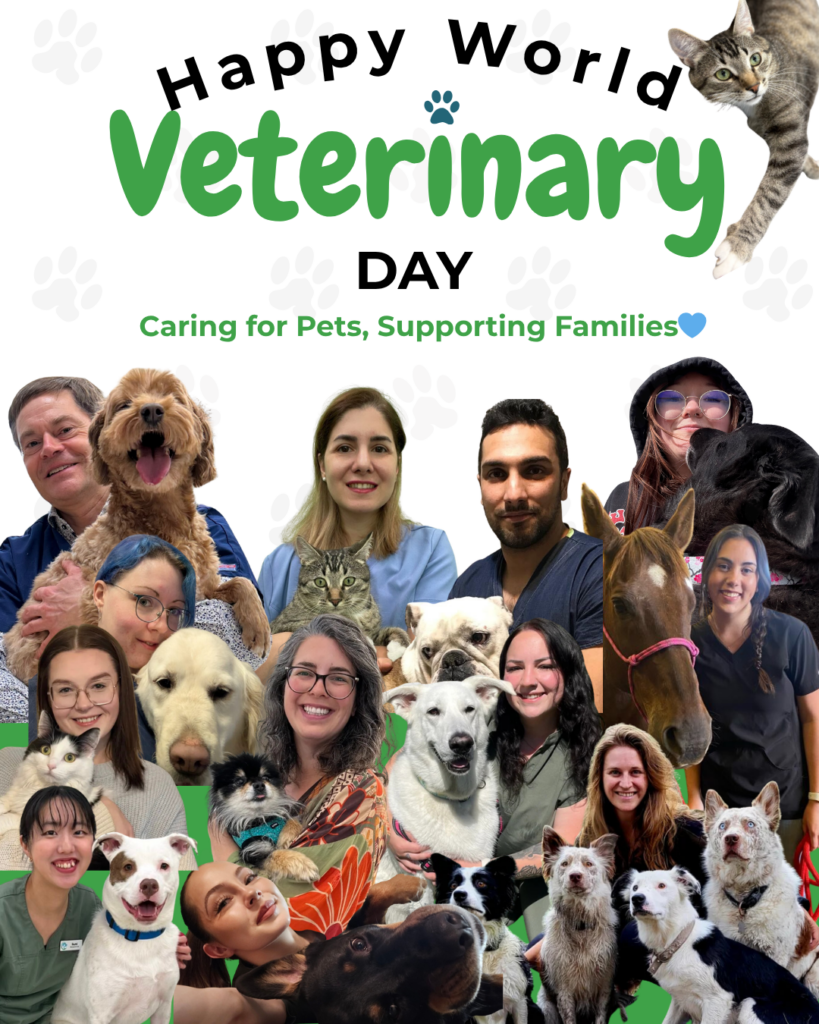
Happy World Veterinary Day on the 25th!
From routine check-ups to emergency care, our team is proud to support the health and well-being of your pets every day. It is truly a privilege to be part of their lives.
We would like to take a moment to sincerely thank our amazing clients for trusting us with your furry (and fluffy!) family members. Your kindness, patience, and continued support mean so much to our team, and we are truly grateful to be part of your pets’ care journey.